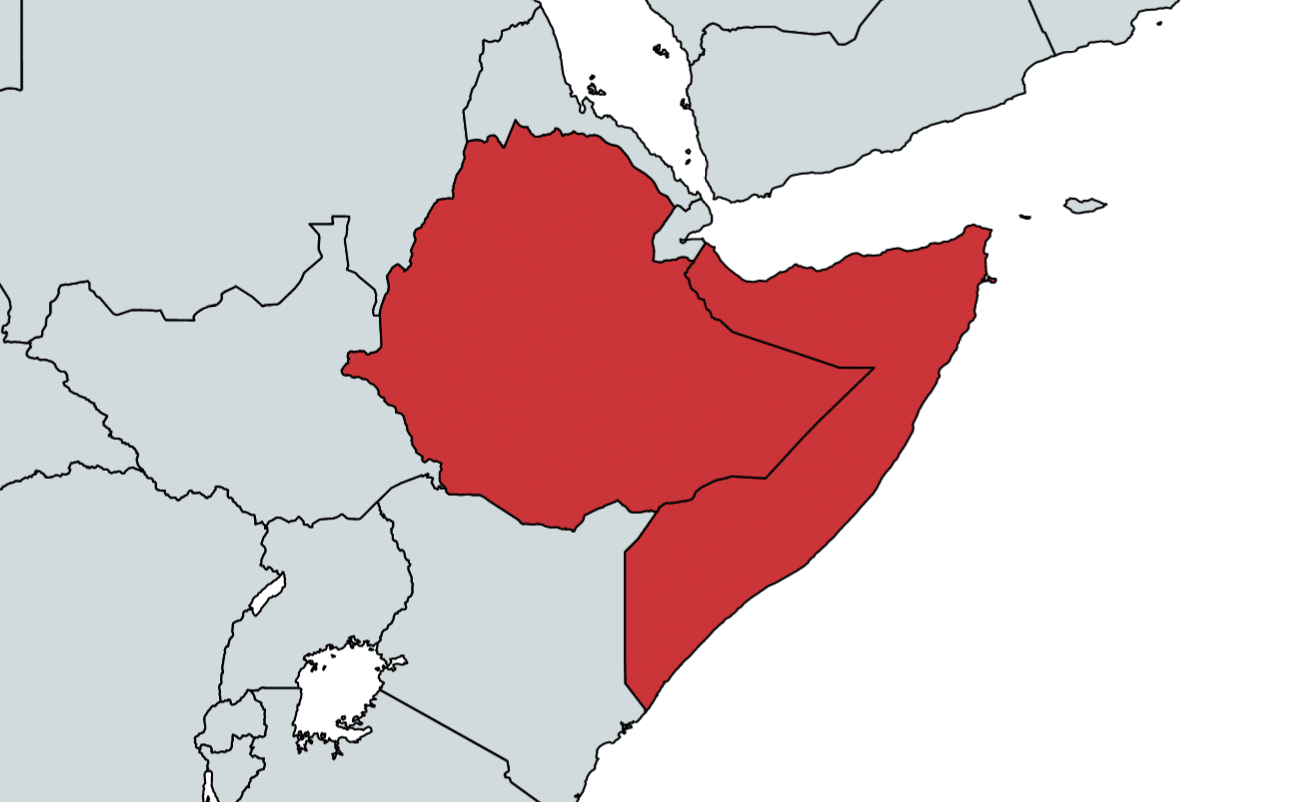
Mogadishu, SOMALIA – Amidst the escalating Somalia-Ethiopia tensions, the controversial Memorandum of Understanding (MoU) between the Federal Democratic Republic of Ethiopia (FDRE) and the Somaliland administration has given rise to a complex geopolitical scenario. Following this, the Ethiopian government has released a statement justifying the legality of the agreement. This defense of their actions has intensified tensions with the Somali government, igniting debates over territorial integrity, regional stability, and international diplomacy.

In its argument, the Ethiopian government highlighted Somaliland’s historical context, noting that after a brief union with Somalia following independence from colonial rule, Somaliland declared its own independence in 1991. Despite practicing democracy for over thirty years, Somaliland still seeks full international recognition. Ethiopia, which has established consular offices in Hargeisa, acknowledges Somaliland’s de facto governance, underlining its unique political status in the Horn of Africa.
The Agreement’s Terms and Implications
The Somalia Ethiopia tensions are further exacerbated by the terms of the MoU, which allows Ethiopia a 20-kilometer coastline for a military base and commercial maritime access. Ethiopia’s government argues this arrangement mirrors existing agreements, viewing the MoU as an extension of their diplomatic and economic ties with Somaliland. They assert that the agreement provides Ethiopia with a reliable naval base through a lease, which, while temporary in nature, implies a significant long-term presence in the region.
In response to the MoU, and as a part of the escalating Somalia Ethiopia tensions, the Somali government took a decisive step to nullify the MoU signals a rejection of Ethiopia’s actions, viewing them as an infringement on Somalia’s territorial sovereignty. This move has escalated tensions, with the Somali government recalling its ambassador from Addis Ababa and considering further diplomatic actions.
Questions arise regarding the permanency of Ethiopia’s leased land in Somaliland. While a lease typically indicates temporary possession, the Ethiopian government’s interpretation of the agreement suggests a more permanent arrangement, intensifying concerns over sovereignty and regional integrity.
Calls for Diplomatic Actions within Somalia
In Somalia, there is growing discontent and calls for the Federal Government to take stringent measures against Ethiopia, including expelling the Ethiopian ambassador and severing diplomatic ties. These actions reflect the heightened sentiments within Somalia against any perceived encroachment on their territory.
The EU, US, and Egypt have reaffirmed Somalia’s territorial integrity, highlighting the international community’s commitment to respecting national borders. However, the response from Intergovernmental Authority on Development (IGAD), seen as heavily influenced by Ethiopia, has been perceived as neutral and not affirming Somalia’s territorial integrity, raising concerns about regional biases.
The Federal Government of Somalia has expressed strong opposition to the statement made by the Executive Secretary of IGAD. Somalia deems the statement biased in favor of the Ethiopian government and has called for an immediate apology, withdrawal of the statement, and appropriate action taken.
In a press release issued by the Ministry of Foreign Affairs of the Federal Government of Somalia, deep dissatisfaction and disappointment were expressed regarding the statement made by the IGAD Executive Secretary concerning the recent tension between Somalia and Ethiopia.
IGAD’s neutral stance could consequently be viewed as a reflection of Ethiopia’s influence within the organization. This neutrality, in a situation involving one of its influential members, raises questions about the regional body’s ability to impartially address such sensitive territorial issues.
Implications for Regional Stability
As the Somalia-Ethiopia tensions continue to evolve, the international community’s role in mediating these tensions and upholding principles of territorial integrity will be crucial.The Ethiopian government’s statement, seen as provocative by some, could potentially destabilize the region. The fear is that such actions might inadvertently provide extremist groups with a platform to garner support from Somalis opposed to any foreign territorial claims.
The Ethiopia-Somaliland agreement therefore stands at the crossroads of legality, regional diplomacy, and territorial integrity. As Ethiopia seeks strategic access to the sea, its actions have profound implications for regional stability and Somalia’s ongoing efforts to maintain its territorial sovereignty. The international community’s role in mediating these tensions and upholding principles of territorial integrity will be crucial in preventing the escalation of conflicts in the Horn of Africa. The situation remains fluid, with the potential to reshape the region’s geopolitical dynamics significantly.