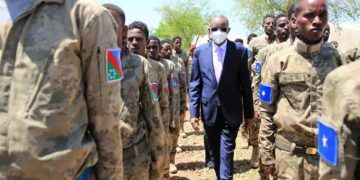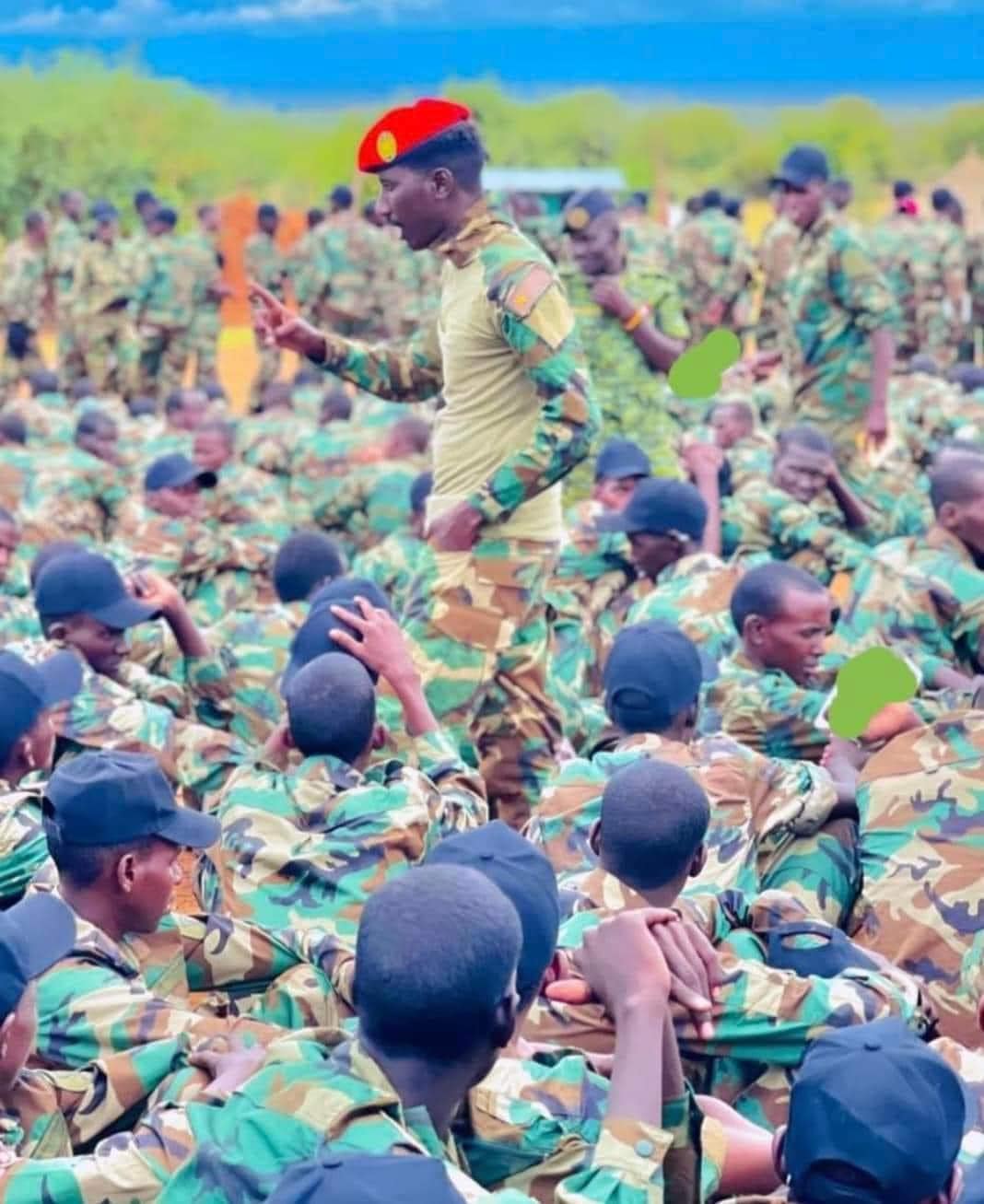
BAIDOA, SOMALIA – One month ago, Mogadishu staged an inauguration in Baidoa under circling jets from Turkiye. Today the city is slipping from its grip. Fighters loyal to ousted South West State president Abdiaziz Hassan Mohamed, known as Laftagareen, stormed the town overnight on Wednesday and seized parts of it, according to local reports carried by Garowe Online. Families fled homes near the front lines as rival forces dug in. Neither Villa Somalia nor Laftagareen’s camp issued a statement. The federal government sold this takeover as finished business. Instead, it now looks like an open-ended fight for Baidoa itself.

An Assault That Reached the Middle of Baidoa
Garowe Online reported that the assault began overnight. By morning, Laftagareen’s fighters held parts of the town. Rival forces spread across different districts, and families left homes near the contact lines. The city stayed tense through Wednesday, and fear of a wider battle kept many people indoors. No official casualty figures emerged. Garowe Online said it could not verify battlefield claims from either side.
This was not a one-off raid. Baidoa has seen fighting for months, ever since the federal government installed a new South West team over the objections of much of the city. In late May, heavy clashes broke out as the new regional parliament was sworn in, and people died, according to Geeska. Officials could not even agree on who attacked. The Bay police chief blamed politicians for hiring a few armed men, and insisted the city was safe. The army, however, said it had stopped an attack by al-Shabaab-linked militants. Both stories cannot be true, and neither has been proven.
That confusion is the point. A government that cannot name its attackers cannot claim control. Each new firefight inside Baidoa hands Laftagareen fresh proof for his case that Mogadishu’s chosen team cannot protect the capital it was handed.
An Administration Made in Mogadishu
The roots of the fighting run straight to Villa Somalia. Laftagareen rejected President Hassan Sheikh Mohamud’s constitutional changes and held local elections in defiance of Mogadishu. Federal forces then removed him from office, as Geeska has documented. Troops ringed Baidoa while Hassan Sheikh flew in to watch his preferred candidate, Sheikh Aden Mohamed Nur, known as Aden Madobe, take the oath. Aircraft from Turkiye circled overhead, and mortar rounds fell on parts of the town during the ceremony. The Somali Digest has argued that the operation followed Villa Somalia’s familiar takeover script, tested in the same state years earlier.
One month on, that ceremony’s product governs a shrinking perimeter. Aden Madobe is struggling to tighten his hold, win public support, and restore security, according to Garowe Online. Residents and elders call his government a product of federal backing rather than local consensus. They also accuse it of unfair power-sharing and an unfair share of posts, grievances they say have spread through several clans. The federal government has not answered those complaints.
The pattern matters far beyond Bay region. Puntland and Jubaland point to the takeover as proof of what federal meddling brings, and both states closed ranks against Villa Somalia partly on that basis. Every week Baidoa stays contested, Mogadishu’s South West project looks less like a success worth repeating elsewhere.
A Rival Government on the Edge of Town
Laftagareen, meanwhile, acts less like a fugitive and more like a rival government camped next door. He still claims the legitimate presidency of South West State, and his forces sit at bases outside Baidoa. In early July, his camp seized the official digital platforms of the South West presidency, wiped Aden Madobe’s record from them, and used the main page to broadcast an Independence Day address, FTL Somalia reported. His spokesperson vowed that the campaign to retake the city would not stop.
The result is two governments claiming one state. Aden Madobe holds the state buildings and the state TV network. Laftagareen holds the roads outside, the old digital megaphone, and a force willing to enter the city at night. Observers warn that this split risks breaking the local fight against al-Shabaab and cutting the transport routes that link Mogadishu to the central regions, according to FTL Somalia.
Al-Shabaab is the quiet winner. Bay region sits on the front line of the insurgency, and the group has repeatedly turned political feuds into territory. The Somali Digest has shown how al-Shabaab’s offensive feeds on Mogadishu’s political chaos. A government fighting a clan militia for its own regional capital is not hunting insurgents in the countryside.
Puntland Defused Its Standoff While Baidoa Burned
The sharpest verdict on the Baidoa project came the same week from Garowe. Puntland spent June facing its own crisis made in Mogadishu. Hassan Sheikh had named General Jimcaale Jama Takar to command a new 54th Division, to be based inside Puntland. Regional leaders read that as a bid to plant a federal army on their soil, so they blocked the general’s entry and mobilised forces to stop him. The standoff looked primed to explode.
Instead, it is winding down. Sources close to the Puntland presidency told Kaab TV on Friday that President Said Abdullahi Deni’s government and Takar reached a first-stage deal. Elders and politicians from Nugaal led the mediation, chaired by former president Abdirahman Farole. Under the reported terms, Takar drops his military ties with the federal government, and his forces move onto Puntland’s payroll. Deni, in turn, awards him Puntland’s highest military rank. The general returned to Garowe on Friday evening. Talks continue, and sources caution that open issues could still derail them. Yet the direction is clear.
The contrast with Baidoa could not be starker. Puntland absorbed a federal wedge through clan mediation, without a shot fired in its capital. Mogadishu answered the same kind of dispute in South West State with troops, jets, and an imposed oath. One path produced a deal, while the other produced night assaults and fleeing civilians. The Somali Digest has long argued that Mogadishu’s playbook destabilises the very states it means to control. This week supplied the cleanest side-by-side test yet.
Baidoa Is a Warning for Every Federal Member State
The timing makes it worse. Foreign support for Somalia’s war is shrinking, the African Union mission is drawing down, and its funding is in doubt. The national army is stretched thin across the Shabelle valley front lines. A second internal front in Bay region drains troops, attention, and money the war cannot spare. It also corrodes the electoral project behind the whole fight, because the federal government still plans a South West presidential vote under a team that cannot secure Baidoa after dark.
Expect more nights like Wednesday. Laftagareen has no reason to stand down while grievances inside Baidoa keep supplying him recruits and sympathy. Villa Somalia, for its part, shows no appetite for reversing an installation it spent so much capital staging. Unless Mogadishu accepts the kind of mediated settlement Puntland just showed, Baidoa will remain what it became this week, a city defended by checkpoints in daylight, contested by nightfall, while al-Shabaab watches both sides bleed.