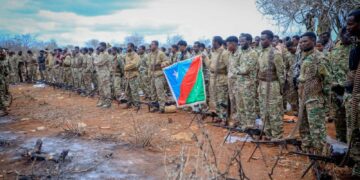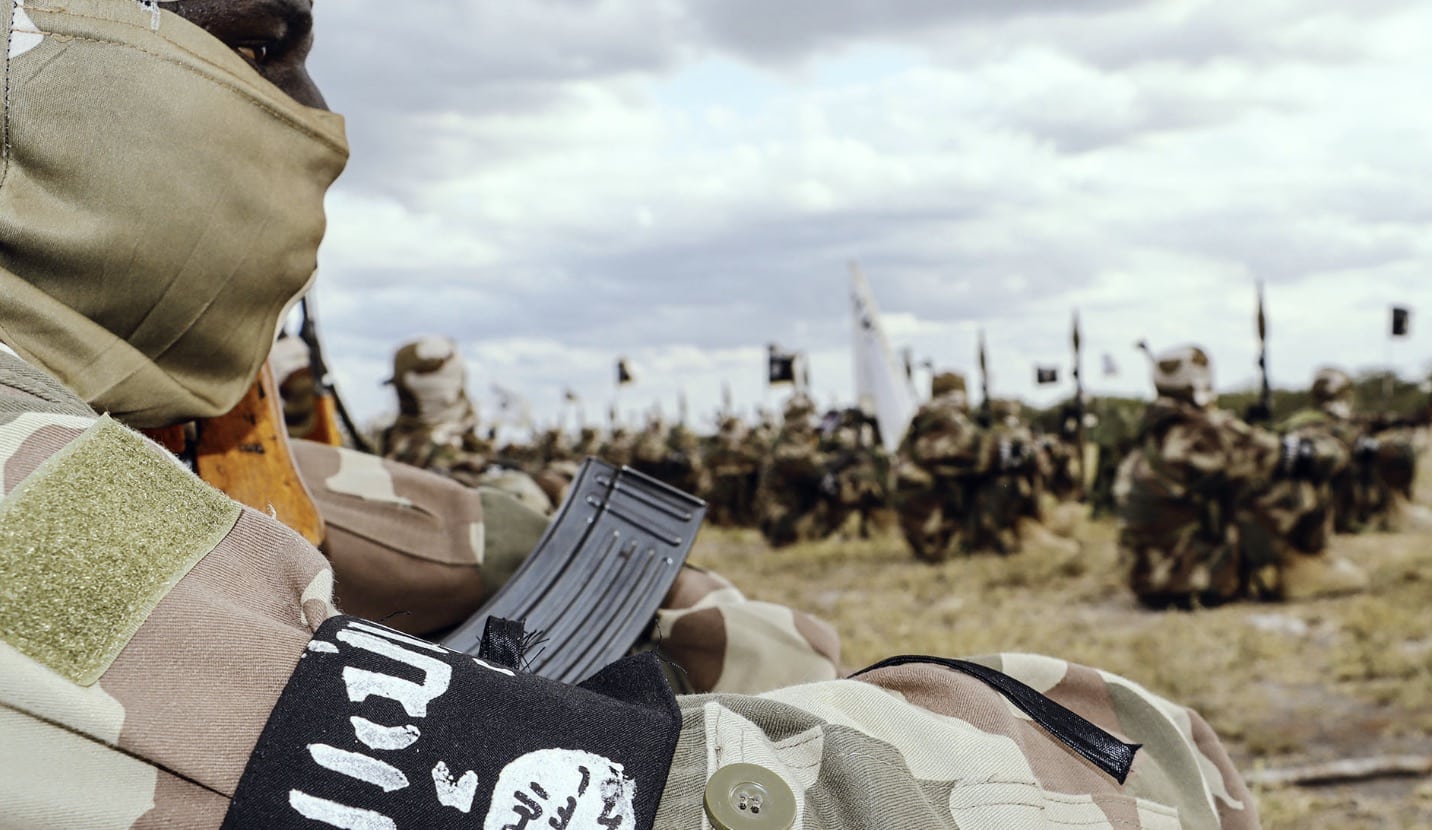
In a series of devastating attacks that have sent shockwaves through Somalia’s security establishment, Al-Shabab militants today launched coordinated assaults on six different positions held by the Federal Government of Somalia (FGS), inflicting heavy casualties and dealing a serious blow to the government’s counter-terrorism efforts. The attacks, which took place in Al-Kawthar, Darul Nim’a, Cali Foley, and Ceel Cali Ahmed, have exposed significant gaps in Somalia’s security apparatus and raised questions about the government’s ability to protect its citizens and maintain control over key strategic locations.

According to reports from the battlefield, Al-Shabab fighters engaged in intense firefights with Somali National Army (SNA) soldiers and other government forces, using a combination of small arms, heavy weapons, and improvised explosive devices (IEDs) to overwhelm their defensive positions. In the aftermath of the attacks, Al-Shabab released graphic images and videos showing the bodies of scores of government soldiers, as well as many destroyed vehicles and other military equipment.
The group claimed to have killed 93 SNA soldiers in the attacks, although these figures have not been independently verified. There are also reports that the head of the Darawish, a special police unit in HirShabelle state, was wounded in the fighting, although this has not been confirmed by official sources.
Perhaps most disturbingly, after the end of the major fighting, Al-Shabab was able to take control of the town of El Baraf (also known as Ceel Baraf) without any resistance from government forces. This suggests a serious lack of coordination and communication among the various security forces operating in the area, as well as a potential breakdown in the chain of command and control.
Corruption and Misplaced Priorities
While the recent Al-Shabab attacks are a tragic and shocking development in their own right, they must also be understood in the broader context of Somalia’s political and economic challenges, particularly the ongoing problems of corruption, mismanagement, and misplaced priorities within the federal government.
Under the leadership of President Hassan Sheikh Mohamud, the FGS has been widely criticized for its lack of transparency, accountability, and effectiveness in addressing the country’s most pressing issues, including insecurity, poverty, and lack of basic services. Instead of focusing on these critical challenges, the president and his allies have been accused of prioritizing their own narrow political and economic interests, often at the expense of the Somali people.
One of the most glaring examples of this misplaced focus has been the president’s obsession with electioneering and political maneuvering, even as the country faces a growing threat from Al-Shabab and other extremist groups. Since coming to power in 2022, President Mohamud has been working tirelessly to consolidate his grip on power and pave the way for his re-election, often by bypassing legal and constitutional processes and imposing his own unilateral vision for the country’s future.
This has included the establishment of a controversial electoral commission without proper legal mandate, as well as efforts to manipulate the country’s clan-based political system to favor his own interests and those of his allies. Meanwhile, the president has shown little interest in addressing the underlying drivers of insecurity and instability in Somalia, such as poverty, marginalization, and lack of economic opportunity.
Another major issue that has plagued the Mohamud administration has been the problem of land grabs and corruption in Mogadishu and other urban centers. Under the president’s watch, there has been a surge in the illegal appropriation of public lands and properties by well-connected individuals and groups, often with the tacit support or involvement of government officials.
These land grabs have not only displaced countless vulnerable residents and deprived them of their livelihoods but have also fueled resentment and anger among the population, who see the government as complicit in the theft of their resources and the erosion of their rights. In some cases, the lands that have been seized have been sold off to business associates of the president and other political elites, without any regard for due process or the public interest.