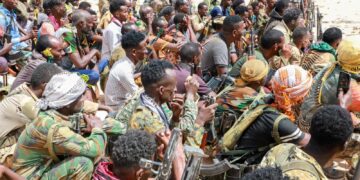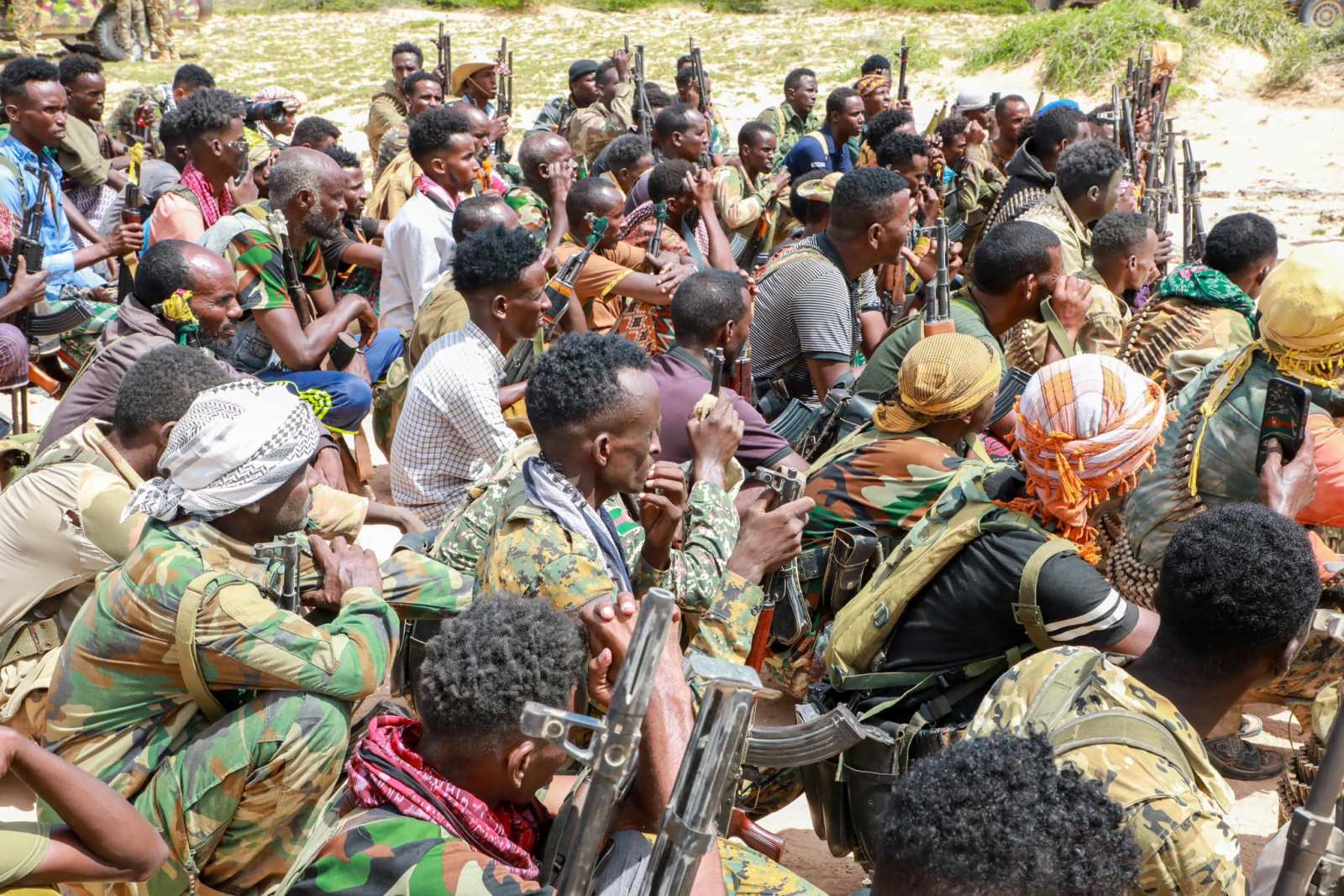
BELEDWEYNE, SOMALIA – Macawisley fighters have pulled out of forward trenches on the outskirts of Bulo Burde and Matabaan and moved into Beledweyne, according to reports from Hiiraan on Sunday 1 November, and other units of the clan militia are said to be preparing to leave the Jalalaqsi sector. About two thousand of them, heavily armed and travelling in combat vehicles, are now in the regional capital, two days after they took the Lama-Galay compound without a fight, and local leaders want them to become the first security force of a Hawadle administration in Beledweyne outside Hirshabelle. The men who held the lines around Bulo Burde for President Hassan Sheikh Mohamud’s campaign since 2022 are now the armed core of a movement against his allies in Jowhar, and no statement had come from Villa Somalia or the Hirshabelle administration by Monday 2 November.

The Trenches Outside Bulo Burde and Matabaan
Reports published early on Sunday said the fighters had abandoned forward defensive trenches on the outskirts of the Bulo Burde and Matabaan districts, and that other units planned to withdraw from the area around Jalalaqsi, further down the Shabelle towards Mogadishu. Those accounts, repeated through the day by several Somali-language outlets, put roughly two thousand Macawisley in Beledweyne with weapons and armed vehicles. None of them named a commander, gave a figure for the positions emptied, or said whether al-Shabaab had moved into any of them.
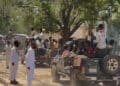
On Friday 30 October the same fighters drove into Lama-Galay, the compound that houses the Hiiraan regional administration and an army base, and the soldiers at its gate withdrew without firing. The reports on Sunday tied the movement from the front to that takeover and to the dispute over who governs Hiiraan, and said the community’s leaders now intend the Macawisley to defend an administration of their own, built in Beledweyne and independent of Hirshabelle. How that administration would be structured has not been set out, and its backers were reported to be waiting for answers from the federal government and from President Ali Gudlawe’s administration in Jowhar.
Hawadle soldiers serving in the Somali National Army in Hiiraan could leave their own positions and join the confrontation, the same reports warned, and the army command was described as short of men and unable to replace the local units it would lose. In that case, the reports said, government forces would fall back on the main towns and the supply corridors between them, and al-Shabaab would be left free to return to the countryside it was driven out of four years ago. Bulo Burde, which sits on the road from Beledweyne towards Mogadishu, would then depend on the soldiers inside it. One resident of Beledweyne told a local broadcaster on Sunday that the people of the town did not regard the armed men as a militia and described the movement as an uprising against the conduct of the Hirshabelle administration.
Four Years on the Bulo Burde Front
In the second half of 2022 the Hawadle of central Hiiraan took up arms against al-Shabaab, and their militia, with federal troops behind it and American aircraft above it, drove the group out of most of the inhabited country between Beledweyne and the Galgaduud border. The Macawisley were formed that year and drew support from the federal government, from Ethiopia and from the United States, and the rising became the centrepiece of the campaign against al-Shabaab that President Hassan Sheikh Mohamud, elected in May 2022, built his presidency around. Al-Shabaab answered on 14 January 2023 with car bombs in Bulo Burde and Jalalaqsi that killed at least thirty people. In Bulo Burde the attackers struck a mosque and the administrative quarter, and one suicide car bomb was intercepted and exploded beside the African Union base and the police headquarters.
In April 2025, after government forces pulled back from Aboorey, inside Bulo Burde district, al-Shabaab took the Yasooman hills that the army and the Macawisley had cleared with great difficulty three years earlier, and that loss closed the road from Bulo Burde to Moqokori and Mahaas. Moqokori fell in June 2025, and government troops left Mahaas overnight on 26 July 2025 without telling the Macawisley fighters beside them, and al-Shabaab walked in the next morning. On 1 August 2026 the group attacked Teedaan, and the forces there withdrew the following day, with no operation to recover it announced since.
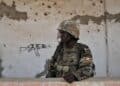
African Union troops are still stationed in Bulo Burde itself. In March 2026 Djibouti’s 13th Battalion took over from the 11th at Ugaas Khaliif Airport in Beledweyne, and part of it moved on to Bulo Burde, where its predecessor had served alongside detachments in Beledweyne and Dhusamareb. A separate report published on Sunday said al-Shabaab has retaken much of the ground won by the militias and the army in 2022 and 2023, and that it remained unclear whether Mogadishu would send reinforcements to the region.
The Mahaas Agreement and Abdullahi Sanbalolshe
On Saturday 3 October al-Shabaab announced an agreement with Hawadle elders in Mahaas to end four years of fighting in Hiiraan, at a meeting attended by former Macawisley fighters, and its representatives said the deal would begin the implementation of Islamic law in the areas the clan inhabits. Former members of the militia told local reporters that their campaign had cost them heavy casualties and economic losses and that a new path had to be found. No Hawadle participant published the terms, the clan’s traditional leadership did not endorse them, and it has never been established how many Hawadle the men in Mahaas spoke for. The front outside Bulo Burde held through October all the same.
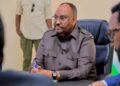
Abdullahi Mohamed Ali Sanbalolshe was born in Bulo Burde in 1968 and has twice run the National Intelligence and Security Agency for President Hassan Sheikh Mohamud, most recently from April 2024 until June 2025, when Mahad Salad replaced him. In an interview that circulated on Sunday 25 October he said that he and his supporters among the Hawadle were building a Hiiraan administration that could become an armed movement against Mogadishu, and when asked whether it would cooperate with al-Shabaab he did not rule it out. Later accounts of the same remarks quoted him as saying the movement would ally with anyone, al-Shabaab included, to remove the president.
He also said he had asked regional leaders, at meetings in the United Arab Emirates, to back an armed rebellion in Hiiraan, and none of them has spoken publicly about those meetings. One local report placed him in Beledweyne alongside the Macawisley on Friday, and he has made no public comment on the takeover of Lama-Galay or on the trenches around Bulo Burde. A third person interviewed in the town on Sunday said the quarrel turned on who leads Hiiraan and its administration, and pointed to his earlier remarks. Cismaan Xaadoole, a member of the House of the People from Hirshabelle, answered on Monday 26 October that the former director was trying to create turmoil because he had lost what he wanted, and the federal government issued no statement on the interview.
Jowhar’s Vote and the Lines Left Open
On Saturday 24 October the assembly in Jowhar re-elected President Ali Gudlawe by 81 votes to 13 and chose Abdifatah Hassan Afrah, a former governor of Hiiraan, as his deputy by 79 to 16, after the Justice and Solidarity Party took 78 of the 99 seats on 3 October. The Hawadle had declared on 21 September that no Hirshabelle vote would be held in Hiiraan without a political agreement, and their politicians say President Hassan Sheikh Mohamud promised the clan the presidency of the state before backing the incumbent in a contest Mogadishu organised. Five days before the vote President Ali Gudlawe removed the governor of Hiiraan, Mohamed Hussein Mohamed Arab, who had objected to the sharing of revenue from the Beledweyne livestock market.
At Lama-Galay on Friday, Mumin Mohamed Halane, a former district commissioner of Mahaas, said the fighters had no quarrel with the soldiers in the compound, telling them that “we are not attacking the military” because “we have a common enemy.” Two days later the same men were reported to be leaving the trenches where that common enemy is fought, and about two thousand federal troops sent against the Darawish of former President Abdiaziz Hassan Mohamed Laftagareen remain stalled on the road to Buurhakaba, in Bay. The army that would have to fill the gaps around Bulo Burde, Matabaan and Jalalaqsi is committed elsewhere, against political opponents of Villa Somalia.
Federal aircraft were carrying troops to Gedo for the confrontation with Jubaland in the same week that Mahaas fell, and the army column in Bay has spent October fighting a former state president while Hiiraan’s own defenders walk off the line in protest at an election. Each of those operations was aimed at a political opponent of Villa Somalia, and each left a stretch of the war against al-Shabaab to men who had grievances of their own. Bulo Burde has a Djiboutian battalion, a federal garrison and a road whose northern end the clan’s fighters now hold in Beledweyne, and the trenches that protected all three have been left to whoever reaches them first.