

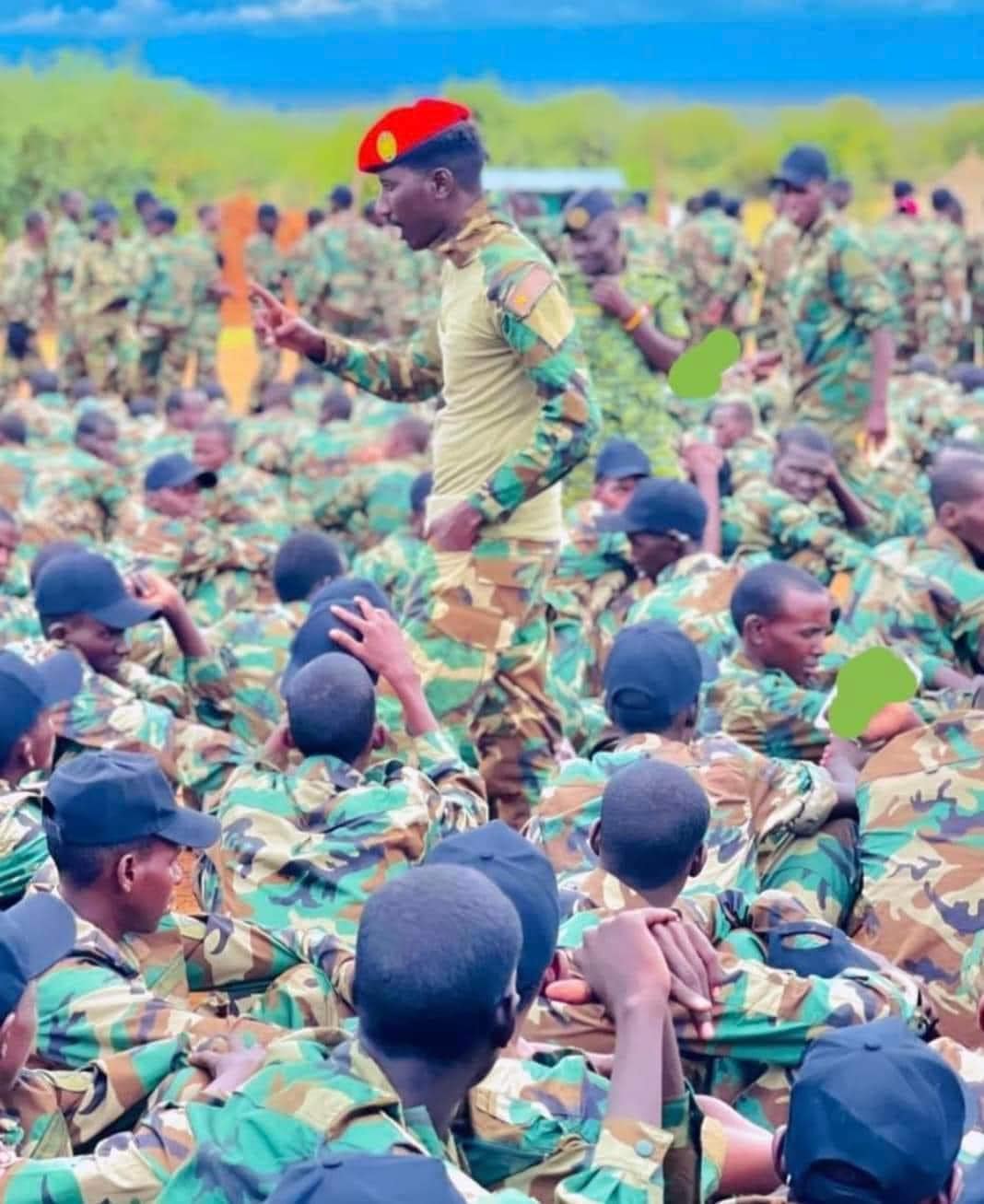
MOGADISHU, SOMALIA – Somali and African Union forces killed dozens of al-Shabaab fighters this week, officials say, but the gains came at a cost. A three-day push in Lower Shabelle retook a strategic area and left about 30 militants dead; seven Ugandan peacekeepers died with them. Separate operations in Hiiraan killed more fighters still. The fighting shows both the reach and the limits of the campaign against al-Shabaab.

A Costly Win in Lower Shabelle
The hardest battle came southwest of Mogadishu. Forces from the African Union mission and the Somali National Army fought for three days to clear the Sabiid-Canoole area in Lower Shabelle. Reports put al-Shabaab losses at around 30, while seven Ugandan soldiers were killed. The town had been a militant strongpoint, and the assault aimed to take back ground lost earlier in the year.
The push was part of a broader campaign. Somali and AU forces have stepped up joint operations in the south. They have also intensified raids in Jubaland. Commanders cast Sabiid-Canoole as a turning point in the fight against al-Shabaab.
The losses are felt far away too. In Uganda, seven families now grieve sons sent to a distant war. Each coffin tests public support for the mission. The Ugandan deaths matter beyond the battlefield. They land as the African Union mission faces deep funding gaps and an uncertain future. Troop-contributing countries are already weighing how long they can stay. Each loss against al-Shabaab sharpens that question; the mission cannot bleed men and money at once forever.
Pressure in Hiiraan
The army pressed a second front in the center. Somali troops, backed by local Macawisley fighters, killed about 20 militants in the Mabaah and Gayacad areas of Hiiraan, officials said. A day later, the intelligence service struck again near Gaycad Junction, reporting 13 more al-Shabaab dead. The operations targeted fighters who plant roadside bombs and ambush civilian traffic.
Indeed, the center has been hit hard. Al-Shabaab overran several towns in the region earlier this year. The new raids aim to push its fighters back from the main roads. Yet the group tends to melt away and return once the troops move on. So the win in Hiiraan, like the one in Shabelle, may prove brief.
The Macawisley role is central. These clan militias powered the gains of the 2022 campaign, and they remain vital today. Yet many complain of unpaid wages and thin support. The war can swing on the war can swing on their morale; without them, the army struggles to hold rural ground.
Can the Gains Hold
Killing fighters is one thing; holding land is another. Time and again, forces have cleared a town only to leave, letting al-Shabaab seep back. The group reversed two years of army gains after such retreats. The same risk hangs over Sabiid-Canoole and the Hiiraan front now.
Meanwhile, outside analysts see the pattern. Amani Africa notes recent operations retook key villages, yet warns the wins fade without follow-up. The Combating Terrorism Center has charted the same gap between clearing ground and keeping it. Troops take a town, then leave, and al-Shabaab walks back in.
The Macawisley question hangs over it all. The clan fighters do the holding, not just the clearing. If they walk away, al-Shabaab returns. Pay them late, and the front weakens. So the war can turn on wages as much as on weapons.
The Bigger Picture
The air war adds another layer. US strikes have hit al-Shabaab hard this year, yet the group keeps recruiting. For every fighter killed from the air, another signs up in a village the state never reaches. Bombs thin the ranks; they do not hold the roads. Only troops on the ground can do that, and only if they stay.
The political backdrop makes holding harder. The al-Shabaab offensive feeds on Mogadishu’s political chaos, and the government’s feud with the federal states pulls troops and focus away from the front. A wider danger looms too, set out in the Digest’s study on the group’s edge after the ATMIS exit.
So this week’s tally is real but fragile. Dozens of al-Shabaab fighters are dead, and two key regions saw rare coordinated pressure. Yet without troops to stay and a state to govern, cleared ground rarely stays cleared. The gains buy time; they do not yet buy victory. And every fallen peacekeeper makes the next push harder to mount.
This week brought real losses for al-Shabaab. It also brought fresh graves for the men who fight it. The body count will mean little unless the cleared ground stays cleared. That question, rather than the body count, is the true test of any campaign against al-Shabaab. The fighters will be back. The question is who holds the ground when they come.
The pattern held through July. Somali forces reported killing sixteen more fighters in Hiiraan and Middle Shabelle on 26 July, another tally without a corresponding shift in control, while African Union troop contributors prepared to meet in Kampala on 31 July to decide whether the mission continues at strength, shrinks, or begins a phased withdrawal.


